
Overview of Highly Skilled Migrant Program in the Netherlands
The Highly Skilled Migrant Program in the Netherlands serves as a strategic initiative designed to attract talented professionals from around the globe. Its primary aim is to bolster the Dutch economy by addressing the skills shortage in various sectors, particularly in technology, engineering, and healthcare. By facilitating the entry of skilled migrants, the program enhances innovation and productivity within the labor market.
The eligibility criteria for applicants seeking to participate in the Highly Skilled Migrant Program are well-defined, ensuring that only those with specific qualifications and skills can benefit from the initiative. Applicants must possess a job offer from a recognized sponsor (an employer registered with the Dutch immigration authorities) and meet certain salary thresholds that demonstrate their expertise. Furthermore, the program is designed for individuals with higher education qualifications or specialized skills that are in demand within the Netherlands.
Benefits for Migrants and Employers
Participating in the Highly Skilled Migrant Program offers a plethora of advantages for both the migrants and the employers who sponsor them. Understanding these benefits is crucial for potential applicants and companies considering the program.
For migrants, the program provides:
- Access to a dynamic job market that values diverse skill sets and fosters professional growth.
- Residency rights for themselves and their immediate family members, allowing for a harmonious family life in the Netherlands.
- Opportunities for career advancement in a multicultural environment, which can lead to enhanced job satisfaction and personal development.
Employers also gain significant advantages, including:
- The ability to tap into a global talent pool, ensuring that they can find the right skills to meet their business needs.
- Facilitated hiring processes through the recognition of their sponsorship, which simplifies the visa application for prospective employees.
- Improved organizational performance driven by the innovation and expertise that skilled migrants bring to their teams.
“The Highly Skilled Migrant Program not only fills skill gaps but also enriches the Dutch workforce with global perspectives.”
Overall, the Highly Skilled Migrant Program is an essential component of the Netherlands’ labor immigration policy, providing tangible benefits that contribute to economic growth and the cultural diversity of the nation.
Job Opportunities for Highly Skilled Migrants
The Netherlands is a thriving hub for skilled professionals from around the world, thanks to its robust economy and progressive labor market. Highly skilled migrants are increasingly welcomed into various sectors, where their talents and expertise are in high demand. This article delves into specific industries that are actively hiring, the job roles that offer promising prospects, and the essential skills and qualifications that can enhance opportunities for skilled migrants.
Industries Actively Hiring Skilled Migrants
Several key industries in the Netherlands are particularly open to skilled migrants, driven by a shortage of local talent and a booming economy. The following industries stand out for their active recruitment efforts:
- Information Technology: The tech sector is experiencing rapid growth, with numerous startups and established companies seeking software developers, data scientists, and cybersecurity experts.
- Healthcare: There is a persistent demand for healthcare professionals, including doctors, nurses, and medical researchers, due to an aging population and increasing healthcare needs.
- Engineering: Industries such as automotive, civil, and renewable energy engineering are continuously seeking qualified engineers to innovate and improve existing technologies.
- Finance: The financial services sector regularly looks for skilled professionals in risk management, investment analysis, and compliance roles amidst evolving regulations and market dynamics.
- Research and Development: Many companies and universities are actively pursuing researchers and scientists, particularly in fields like biotechnology and environmental science.
High Demand Job Roles
The demand for specific job roles reflects the needs of the Dutch economy and global trends. Highly skilled migrants can find opportunities in various positions, which often require specialized knowledge and experience. Here are some of the most sought-after roles:
- Software Engineer: With the tech industry booming, software engineers proficient in programming languages such as Python, Java, and C# are in high demand.
- Data Analyst: Companies are leveraging data for decision-making, leading to a significant need for data analysts skilled in data visualization and statistical analysis.
- Healthcare Professional: Roles like registered nurses and medical specialists are highly sought after, especially in urban areas where healthcare services are expanding.
- Electrical Engineer: The rise in smart technologies and renewable energy solutions has increased the demand for electrical engineers.
- Project Manager: Skilled project managers, especially those with experience in IT and engineering projects, are crucial for ensuring successful project delivery in competitive industries.
Skills and Qualifications Enhancing Job Prospects
To improve job prospects in the Netherlands, certain skills and qualifications can significantly impact a migrant’s employability. Employers are looking for candidates who not only possess technical expertise but also demonstrate soft skills and cultural adaptability. Key skills and qualifications include:
- Technical Skills: Proficiency in relevant software, programming languages, and technical tools is essential, particularly in fields like IT and engineering.
- Language Proficiency: While English is widely spoken, knowledge of Dutch can be a significant advantage in the job market and helps in integrating into the local culture.
- Soft Skills: Strong communication, teamwork, and problem-solving abilities are highly valued across all sectors, aiding collaboration in diverse teams.
- Relevant Certifications: Holding recognized certifications, such as PMP for project managers or specific IT certifications, can enhance credibility and job prospects.
- International Experience: Previous work experience in different countries can showcase adaptability and a global perspective, which many organizations find appealing.
“Skilled migrants bring diverse perspectives and solutions that are invaluable in today’s globalized economy.”
Application Process for Highly Skilled Migrants: Highly Skilled Migrant Netherlands Jobs
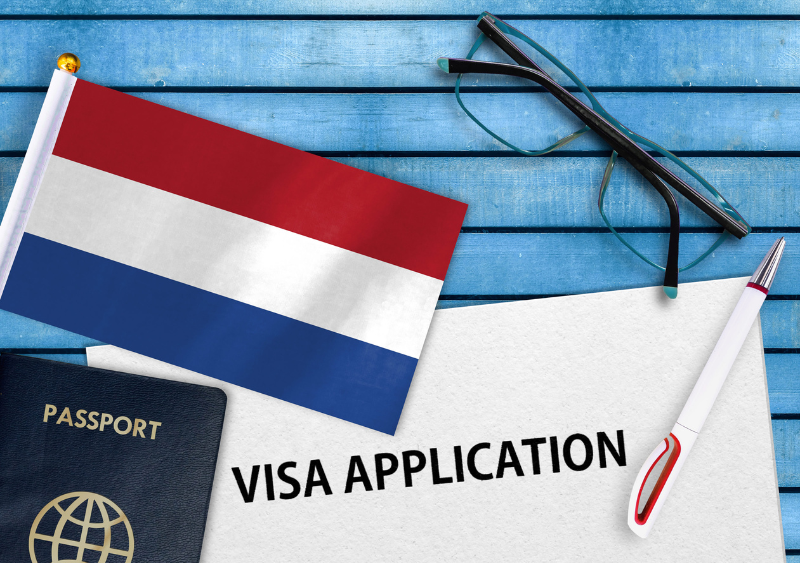
Source: hilfort.com
Navigating the application process for a highly skilled migrant visa in the Netherlands can seem daunting, but breaking it down into organized steps makes it manageable. The following sections Artikel the detailed process, the necessary documentation, and helpful tips to enhance your chances of a successful application.
Steps Involved in Applying for a Highly Skilled Migrant Visa, Highly skilled migrant netherlands jobs
The application process is structured to ensure that only qualified candidates receive a visa as a highly skilled migrant. Here’s a breakdown of the essential steps involved:
- Secure a Job Offer: The first step is to obtain a job offer from a recognized sponsor in the Netherlands. This sponsor must meet specific criteria set by the Dutch immigration authorities.
- Gather Required Documentation: Collect all necessary documents that will be submitted with your application. This includes your passport, employment contract, and proof of qualifications.
- Submit Your Application: Applications can be submitted to the Dutch Immigration and Naturalization Service (IND) online or in person at a designated IND office.
- Pay the Application Fee: Ensure you pay the required fee associated with the application. This fee varies depending on the type of application being submitted.
- Await Decision: After submission, you must wait for a decision from the IND. The processing time can typically range from a few weeks to a couple of months.
Necessary Documentation for the Application
When applying for the highly skilled migrant visa, having the correct documentation is crucial. The following documents are generally required:
- Valid Passport: A passport that is valid for at least the duration of your intended stay.
- Employment Contract: A signed contract from your employer detailing your role, salary, and duration of employment.
- Proof of Qualifications: Diplomas, transcripts, or certificates that validate your education and professional qualifications.
- Curriculum Vitae (CV): A detailed CV outlining your work experience and skills relevant to the job you are applying for.
- Financial Proof: Evidence that you can financially support yourself during your stay, such as bank statements or pay slips.
Tips for a Successful Application
To enhance your chances of a successful application, consider these practical tips which can help you navigate potential pitfalls:
- Double-Check All Documents: Ensure that all your documents are accurate, complete, and up-to-date. Missing or incorrect documents can lead to delays or denial.
- Keep Copies: Always keep copies of all documents submitted for your records. This can be useful for reference during follow-ups or if further information is requested.
- Be Prepared for Interviews: If required, be ready to attend an interview with the IND. Prepare for questions related to your application and your reasons for moving to the Netherlands.
- Understand Salary Requirements: Familiarize yourself with the minimum salary thresholds for highly skilled migrants to ensure your employment contract meets these criteria.
- Consult an Expert: If you find the process overwhelming, consider consulting with an immigration lawyer or expert to guide you through the application process.
Integration and Support for Migrants in the Netherlands
Integrating into a new country can be a challenging experience, especially for highly skilled migrants arriving in the Netherlands. Fortunately, the Dutch government and various organizations provide resources and support services designed to facilitate this transition. Understanding the available support can greatly enhance the experience of migrants and their families as they settle into their new lives.
Support services for newly arrived skilled migrants include several essential resources aimed at easing their adjustment. One of the key resources is the Municipal Integration Programs, which are tailored to help migrants learn the Dutch language, understand the local culture, and navigate the social systems. Additionally, many cities have local organizations that offer mentorship programs connecting newcomers with established residents who can provide guidance and support.
Available Resources for Skilled Migrants
A variety of resources are available to help highly skilled migrants adapt to their new environment. These resources include language courses, cultural orientation sessions, and professional networking events that allow migrants to connect with others in their field. The following are some significant support services offered in the Netherlands:
- Language Courses: Government-funded language courses are available for migrants, aiming to improve their proficiency in Dutch, which is essential for social integration and professional success.
- Cultural Orientation Programs: Organizations like the “Welcome to the Netherlands” initiative provide valuable information on Dutch customs, laws, and social etiquette, equipping migrants with the necessary knowledge for everyday life.
- Job Search Assistance: Platforms such as the “Expat Center” offer workshops and one-on-one sessions focused on resume writing, interview preparation, and job search strategies tailored for the Dutch job market.
- Social Clubs and Networking Events: Many cities host social clubs and expat events, which allow migrants to meet others in similar situations, fostering a sense of community and belonging.
Cultural Integration Programs
Cultural integration is a crucial aspect of helping skilled migrants feel at home in the Netherlands. Various programs are designed to support this facet of the migration experience. These integration programs focus on engaging migrants in local traditions, festivals, and community activities, which can significantly enhance their acceptance and understanding of Dutch culture.
In many cities, integration programs may include:
– Workshops on Dutch history and values.
– Community service projects, allowing migrants to give back while fostering connections.
– Cooking classes featuring traditional Dutch cuisine, promoting not only culinary skill but also cultural exchange.
“Integration is not just about language; it’s about building relationships and understanding the culture you live in.”
Support Systems in Different Dutch Cities
The support systems for highly skilled migrants can vary significantly across different Dutch cities, each offering unique resources and community engagement opportunities.
– Amsterdam: As the capital city, Amsterdam boasts numerous international organizations and expat communities, facilitating networking and job opportunities. The city provides extensive language courses and cultural orientation through institutions like the Amsterdam University of Applied Sciences.
– Eindhoven: Known as a tech hub, Eindhoven offers specific support for skilled migrants in the technology sector through the “High Tech Campus.” This initiative connects migrants with local tech companies and provides tailored support services.
– Utrecht: Utrecht’s integration programs focus heavily on cultural exchange, offering diverse activities that encourage migrants to participate in local traditions and community events, helping them to establish connections within the community.
These cities showcase the various approaches to supporting skilled migrants, highlighting the Netherlands’ commitment to fostering an inclusive environment for newcomers. With the right resources and support systems in place, highly skilled migrants can not only adapt to their new surroundings but also thrive in their professional and personal lives.
Question Bank
Highly skilled migrant netherlands jobs – What types of jobs are available for skilled migrants in the Netherlands?
Skilled migrants can find job opportunities in various sectors, including technology, engineering, healthcare, and finance, with roles such as software developers, data analysts, engineers, and medical professionals being in high demand.
How long does the application process take for a highly skilled migrant visa?
The application process can take several weeks to a few months, depending on the completeness of the application and processing times at the immigration office.
Is there a language requirement for skilled migrants?
While many jobs do not have a strict language requirement, proficiency in English is often necessary, and knowledge of Dutch can be advantageous for social integration.
Can highly skilled migrants bring their families to the Netherlands?
Yes, highly skilled migrants can bring their spouse or registered partner and children with them, provided they meet certain financial requirements.
What support is available for integration into Dutch society?
New migrants can access various integration programs, including language courses, cultural orientation classes, and networking opportunities to help them adapt to life in the Netherlands.