
Overview of Engineering Jobs in the Netherlands
The engineering job market in the Netherlands is vibrant and diverse, making it an attractive destination for both local and international professionals. With a strong focus on innovation, sustainability, and technology, the Netherlands has cultivated a reputation as a hub for engineering talent across various disciplines. The demand for skilled engineers is consistently high, reflecting the country’s commitment to infrastructure development, technological advancement, and environmental sustainability.
The engineering sector encompasses a broad range of disciplines, including civil, mechanical, and software engineering. Each of these fields plays a crucial role in the Netherlands’ economic growth and its transition towards a more sustainable future. Engineers in these domains are not only sought after for their technical expertise but also for their ability to solve complex problems and contribute to groundbreaking projects.
Demand for Engineering Disciplines
The demand for engineers in the Netherlands is particularly pronounced in specific areas. Understanding the landscape of job opportunities can provide insight into the most promising career paths.
- Civil Engineering: With ongoing investments in infrastructure, civil engineers are essential for the design and construction of roads, bridges, and public transport systems. The Dutch Government’s emphasis on sustainability has also led to a rising demand for expertise in green building practices.
- Mechanical Engineering: This discipline is vital in various sectors, including manufacturing, energy, and automotive. The push for innovative solutions in energy efficiency and automation is particularly driving the need for skilled mechanical engineers.
- Software Engineering: As the digital landscape expands, software engineers are increasingly sought after across industries. The growing tech sector in cities like Amsterdam and Eindhoven has created numerous opportunities for professionals skilled in programming, app development, and data analysis.
The Netherlands is also home to many multinational corporations and innovative startups, providing engineers with a rich environment for career growth. These companies often seek employees who are not only technically proficient but also possess interdisciplinary skills, making it possible for engineers to work on a variety of projects.
“The Netherlands aims to become the world’s most sustainable economy, creating ample opportunities for engineers interested in green technologies and sustainable practices.”
The benefits of working in the Netherlands extend beyond the professional realm. Engineers can enjoy a high standard of living, excellent work-life balance, and a supportive work environment that values diversity and inclusion. The country is known for its progressive policies regarding labor rights, which contribute to a positive workplace culture. Additionally, the international nature of many companies means engineers can work in a multilingual environment, further enriching their professional experience.
Visa Sponsorship Process for Engineers
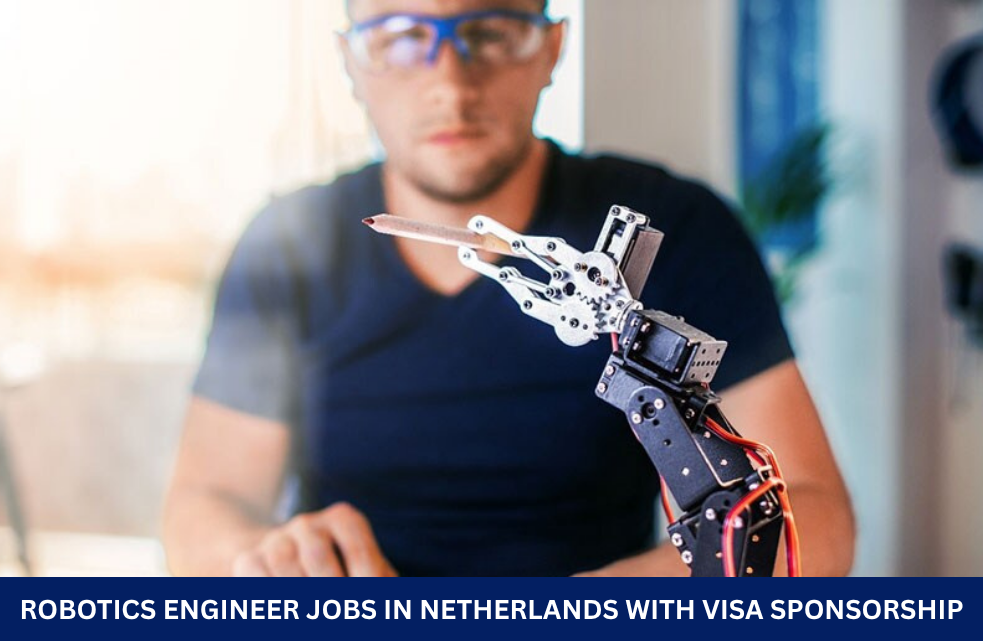
Source: healthluxury.net
Navigating the visa sponsorship process can seem challenging, especially for engineers seeking opportunities in the Netherlands. This process is essential for non-EU engineers to work legally in the country. Understanding the steps involved and the requirements for both employers and employees is crucial to ensure a smooth transition into the Dutch workforce.
The visa sponsorship process typically involves several critical steps that both the employer and the potential employee must follow. It is important to adhere to these steps to avoid delays or complications.
Steps Involved in Obtaining Visa Sponsorship
The sponsorship process includes a series of actions that must be completed by the employer and the prospective employee. Here’s a breakdown of these steps:
1. Job Offer: The first step is securing a valid job offer from a Dutch employer. The employer must demonstrate that they cannot find a suitable candidate from within the EU for this role.
2. Employer’s Application for Sponsorship: The employer must apply to the Dutch immigration authorities (IND) for a sponsorship license, allowing them to hire non-EU employees.
3. Employee’s Visa Application: Once the employer gets the sponsorship license, the prospective employee can apply for a residence permit and work visa through the IND.
4. Document Submission: Both parties need to prepare and submit the necessary documents to support the application. This includes proof of qualifications, employment contract, and the employer’s sponsorship approval.
5. Decision and Processing: The IND processes the application and makes a decision, which usually takes a few weeks.
6. Receiving the Visa: Upon approval, the employee will receive their visa, allowing them to move to the Netherlands and start working.
Requirements for Employers and Employees, Engineering jobs netherlands visa sponsorship
Both employers and employees need to fulfill specific requirements during the visa sponsorship process to ensure compliance with Dutch immigration laws.
Employers must:
– Be recognized as a sponsor by the IND.
– Offer a position that pays a minimum salary, which varies depending on the employee’s age and qualifications.
– Demonstrate the need for hiring a non-EU worker by proving that no suitable candidates were found within the EU.
Employees must:
– Hold a valid job offer from a recognized sponsor.
– Meet the educational and experience requirements for the position.
– Provide documentation proving qualifications and relevant work experience.
Types of Visas Available for Engineers
Various types of visas are available for engineers wishing to work in the Netherlands, each with specific eligibility criteria. Understanding these visa options can help engineers choose the most appropriate path for their situation.
Here’s a table illustrating the different types of visas:
| Visa Type | Eligibility Criteria |
|---|---|
| Highly Skilled Migrant Visa | Must have a job offer with a minimum salary threshold and be employed by a recognized sponsor. |
| EU Blue Card | Requires a higher education degree, a job offer, and a minimum salary level above the national average. |
| Intra-Corporate Transferee Visa | For employees transferred within a multinational company; must have been employed for at least three months prior to transfer. |
| Startup Visa | For entrepreneurs intending to start a business in the Netherlands; requires a viable business plan and a recognized facilitator. |
| Regular Work Visa | Must have a job offer, meet skill level requirements, and apply for a work permit. |
Understanding these types of visas and their requirements is essential for engineers aiming to work in the Netherlands. The correct visa can significantly impact the ease of relocation and integration into the Dutch job market.
Top Companies Offering Visa Sponsorship
The Netherlands is home to a vibrant engineering sector, attracting talent from all over the world. Many companies in the country are not only looking for skilled engineers but also offer visa sponsorship to facilitate the hiring of international talent. This creates valuable opportunities for engineers seeking to advance their careers in a dynamic environment.
Some of the leading companies in the Netherlands actively offering visa sponsorship for engineering positions operate in various sectors such as technology, manufacturing, and renewable energy. These organizations are known for their commitment to innovation and global talent acquisition. Below, we delve into some of these top companies, their hiring practices, and the sectors they influence.
Leading Companies in Engineering Visa Sponsorship
The following companies are recognized for their contributions to the engineering field in the Netherlands and are known for sponsoring visas for international engineers:
- ASML – A world leader in lithography systems for the semiconductor industry, ASML is at the forefront of technology and innovation, regularly seeking skilled engineers to drive their research and development initiatives.
- Philips – With a strong focus on health technology, Philips is dedicated to improving people’s lives through innovation. They value international talent, promoting diverse work environments and offering sponsorship opportunities.
- Siemens – Operating across various sectors including automation, digitalization, and smart infrastructure, Siemens actively recruits international engineers, reflecting a commitment to global expertise and innovative solutions.
- Shell – As one of the largest energy companies globally, Shell offers various engineering roles in sustainable energy and is known for its inclusive hiring practices aimed at attracting international engineers.
- Vanderlande – Specializing in logistics automation, Vanderlande champions engineering talent from around the globe, welcoming diverse backgrounds to enhance innovation in their projects.
These companies not only provide employment but also foster an inclusive culture that values the perspectives and experiences of international engineers. They often have structured hiring processes to accommodate foreign applicants, which may include flexible interviews, relocation assistance, and integration programs.
The sectors that these companies operate in significantly impact the engineering job market in the Netherlands. The technology and renewable energy sectors, in particular, are experiencing rapid growth, leading to an increased demand for engineering professionals. Companies like ASML and Shell are driving advancements in their fields, setting high standards for innovation and sustainability.
“International talent is crucial for fostering innovation and driving the engineering sector forward in the Netherlands.”
Overall, the engineering landscape in the Netherlands is enriched by the contributions of these top companies, making it an attractive destination for engineers worldwide seeking visa sponsorship and career growth.
Lifestyle and Work Environment for Engineers in the Netherlands: Engineering Jobs Netherlands Visa Sponsorship
The Netherlands has become a prime destination for engineers seeking both professional growth and a high quality of life. The blend of innovative work environments with a focus on work-life balance creates an attractive setting for expatriate engineers. As one navigates through this vibrant country, they will find a unique corporate culture that values collaboration, creativity, and well-being.
The work-life balance in Dutch engineering firms is often described as exemplary. With a typical 40-hour workweek, many companies encourage flexible working hours, allowing employees to manage their professional and personal responsibilities effectively. This approach fosters productivity while ensuring that employees have ample time for leisure and family. Corporate culture in the Netherlands is characterized by openness and inclusivity, with flat organizational structures that promote communication and teamwork. Engineers often find themselves in environments where their ideas are valued, and collaboration is the norm, leading to innovative solutions to complex problems.
Cost of Living and Housing for Expatriate Engineers
Understanding the cost of living and housing options is crucial for expatriates considering a move to the Netherlands. While cities like Amsterdam and Eindhoven are popular among engineers, the cost of living can vary significantly based on location.
Housing prices have seen an increase due to high demand, particularly in urban areas. Renting a one-bedroom apartment in Amsterdam can range from €1,200 to €2,000 per month, while more affordable options can be found in smaller cities like Groningen or Nijmegen, where prices can drop to €800 to €1,200. It’s advisable for expatriates to explore various neighborhoods to find suitable housing options that fit their budgets and lifestyle.
In addition to housing, the Netherlands offers robust social services that expatriate engineers will find beneficial. These services include healthcare, public transportation, and leisure activities. The Dutch healthcare system is highly regarded, with mandatory health insurance ensuring access to quality medical services. Public transportation is efficient and reliable, making commuting convenient for engineers working in both urban and suburban settings.
Tips for Adjusting to Life in the Netherlands
Relocating to a new country can be both exciting and challenging. To ease the transition, engineers should consider the following tips to adjust to life in the Netherlands effectively:
– Learn the Language: While many Dutch people speak English, learning basic Dutch phrases can significantly enhance daily interactions and cultural integration.
– Embrace the Culture: Understanding Dutch customs and traditions will help expatriates feel more at home. Engaging in local festivals or community events can foster connections.
– Network Actively: Building a professional network is crucial. Attending industry events, joining expat groups, or utilizing platforms like LinkedIn can create valuable relationships.
– Explore Housing Options Early: Researching housing well in advance will help avoid last-minute stress and provide a better understanding of the market dynamics.
– Familiarize with Local Laws and Regulations: Understanding the legal aspects of living and working in the Netherlands can prevent potential complications and enhance the overall experience.
– Be Open to Feedback: The Dutch culture values directness and constructive criticism. Being receptive to feedback can foster professional growth within the workplace.
These adjustments can significantly enhance an engineer’s experience in the Netherlands, making the transition smoother and more enjoyable, ultimately leading to a fulfilling career and personal life in this dynamic European nation.
Helpful Answers
Engineering jobs netherlands visa sponsorship – What types of engineering jobs are in demand in the Netherlands?
The Netherlands is currently seeing a high demand for civil, mechanical, electrical, and software engineers, with many companies looking for specialized skills in these areas.
How long does the visa sponsorship process take?
The visa sponsorship process can take anywhere from a few weeks to several months, depending on the specifics of the application and the responsiveness of involved parties.
Do I need to speak Dutch to work in engineering jobs in the Netherlands?
While speaking Dutch can be an advantage, many engineering firms operate in English and do not require fluency in Dutch for international employees.
Are there specific companies known for offering visa sponsorship?
Yes, several leading companies in the Netherlands, such as ASML, Philips, and Shell, are known for actively sponsoring visas for international engineers.
What is the typical salary range for engineers in the Netherlands?
The salary range varies by discipline and experience, but engineers in the Netherlands can expect to earn between €40,000 to €80,000 annually, depending on their role and expertise.