
Overview of Healthcare Jobs in the Netherlands
The Netherlands boasts a robust healthcare system that consistently demands skilled professionals. The current landscape of healthcare employment reflects an increasing need for diverse roles, driven by both an aging population and the ongoing developments in medical technology. With the demand for healthcare services rising, many immigrants are finding ample opportunities to contribute their expertise in various capacities.
The need for healthcare professionals in the Netherlands is underscored by significant statistics. According to recent reports, the Dutch Ministry of Health indicates that the healthcare sector is projected to require an additional 200,000 professionals by 2025. This demand spans various fields, including nursing, geriatrics, and mental health, ensuring that the job market remains dynamic and accessible for aspiring healthcare workers.
Types of Healthcare Jobs Available for Immigrants
A variety of healthcare positions are available in the Netherlands, particularly for immigrants seeking to establish their careers. These roles not only cater to individuals with medical qualifications but also offer opportunities for those looking to enter the healthcare sector in allied health professions. The following list Artikels the key categories of healthcare jobs that are open to immigrants:
- Nursing Positions: Registered nurses, nursing assistants, and specialized nurses in fields like pediatrics and geriatrics are in high demand.
- Medical Specialists: Physicians, surgeons, and other specialists are essential, particularly in urban areas with large hospitals.
- Allied Health Professions: Opportunities exist for physiotherapists, radiographers, and occupational therapists, which are crucial for patient rehabilitation and care.
- Health Technologists: Roles for laboratory technicians and medical technologists are key to supporting diagnostic services.
- Support Services: Positions in administration, healthcare management, and medical secretarial roles are also widely available.
The integration of immigrants into the healthcare workforce is supported by various governmental initiatives, including language courses and recognition of foreign qualifications. These measures help ensure that immigrants can effectively transition into their roles and contribute to the healthcare system.
The increasing demand for healthcare professionals in the Netherlands presents a unique opportunity for immigrants to make a meaningful impact while building rewarding careers.
Immigration Procedures for Healthcare Workers
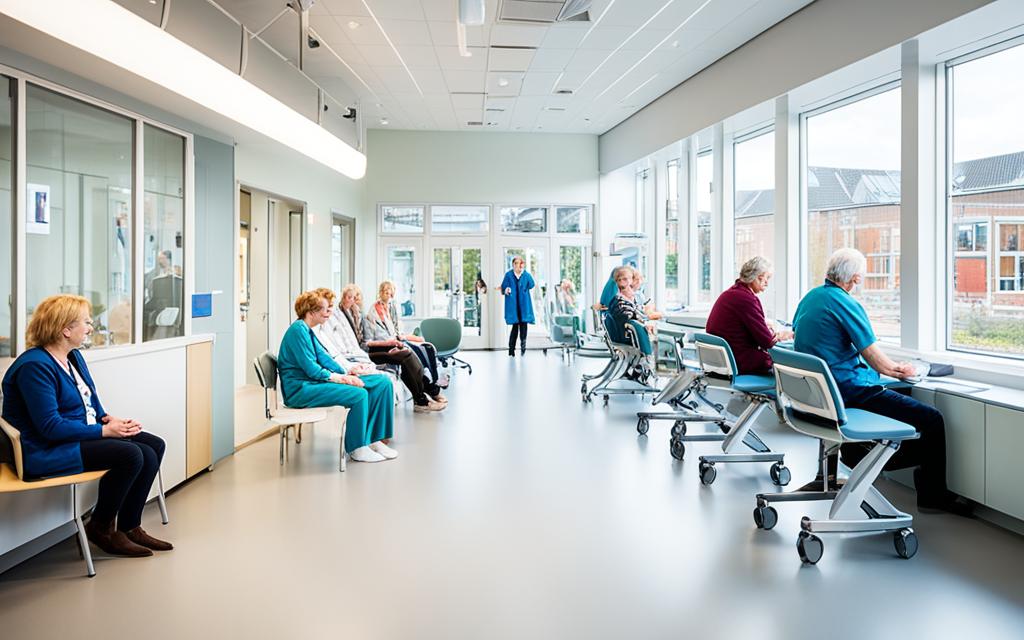
Source: 20countries.com
Relocating to a new country for a job in healthcare can be an exciting yet complex journey, especially for immigrants aiming to contribute their skills in the Netherlands. The immigration procedures for healthcare professionals are designed to ensure a seamless transition while adhering to Dutch regulations. Understanding these procedures is crucial for a successful relocation and integration into the Dutch healthcare system.
Visa requirements and the immigration process for healthcare workers are structured to support skilled individuals in obtaining the necessary authorizations. The first step typically involves applying for a residence permit, which is essential for non-EU healthcare professionals. This process usually entails a job offer from a recognized employer in the Netherlands, as the employer often assists in sponsoring the visa application. Depending on nationality, different visa types apply; for instance, EU citizens enjoy freer movement, while non-EU citizens may require a highly skilled migrant visa.
Necessary Documentation for Employment, Healthcare jobs netherlands for immigrants
Before embarking on your journey, it’s essential to gather all required documentation. This documentation not only supports your visa application but also facilitates your employment in the healthcare sector. Below is a list of critical documents needed during this process:
- Valid passport: Your passport must be up-to-date and valid for the duration of your stay.
- Job offer letter: A formal letter from your employer confirming your job position and salary.
- Proof of qualifications: Diplomas, transcripts, and certificates related to your healthcare profession.
- Language proficiency: Evidence of Dutch language skills may be required, especially for direct patient care roles.
- Medical certificate: A statement confirming good health, often needed for positions in direct patient care.
- Proof of residence: Documentation showing your intended address in the Netherlands.
The documentation requirements can vary based on specific job roles and individual circumstances, so it’s advisable to check with the Dutch immigration authorities for any updates or changes.
Healthcare Job Placement Services for Immigrants
Navigating the job market in a foreign country can be overwhelming, but several placement services specialize in assisting immigrants in finding healthcare positions in the Netherlands. These services not only help in job placement but also offer support throughout the immigration process. Utilizing these services can significantly ease the transition to working in Dutch healthcare.
Engaging with job placement services provides access to a network of potential employers and job openings tailored to healthcare professionals. Many of these services offer additional support, including:
- Resume writing assistance: Guidance on creating a CV that meets Dutch standards.
- Interview coaching: Preparation sessions to help you present yourself effectively to potential employers.
- Legal advice: Information on visa applications, work permits, and immigration procedures.
- Cultural orientation: Insights into the Dutch work culture and integration into the community.
By leveraging these resources, immigrants can enhance their prospects of securing a position in the Dutch healthcare system while adapting to their new environment.
Skills and Qualifications Required for Healthcare Roles: Healthcare Jobs Netherlands For Immigrants

Source: allaboutexpats.nl
In the vibrant landscape of healthcare in the Netherlands, aspiring professionals must navigate a well-defined set of skills and qualifications. Meeting these requirements is crucial for ensuring not only compliance with local regulations but also the delivery of high-quality care to patients. This overview highlights the qualifications needed to thrive within the Dutch healthcare system.
A strong educational foundation is essential for anyone looking to work in healthcare. Prospective employees typically require specific diplomas or degrees relevant to their fields, whether in nursing, medicine, or specialized healthcare roles. In addition to formal education, language proficiency and certification also play pivotal roles in ensuring effective communication and adherence to professional standards in the healthcare environment.
Essential Qualifications for Healthcare Workers
To successfully integrate into the healthcare system in the Netherlands, certain qualifications are non-negotiable. Healthcare professionals need to possess specific educational credentials recognized by Dutch authorities.
- Medical or Nursing Degree: A relevant degree from an accredited institution is foundational. For example, a Bachelor’s degree in Nursing or a Medical Doctor (MD) degree is essential for nurses and physicians, respectively.
- Dutch Language Proficiency: Proficiency in Dutch is critical. Most healthcare roles require at least a B2 level of Dutch, enabling professionals to communicate effectively with patients and colleagues.
- BIG Registration: Healthcare practitioners must register with the ‘Beroepen in de Individuele Gezondheidszorg’ (BIG) register, which is mandatory for practicing in the Netherlands.
Language Proficiency Requirements
Language skills are paramount for healthcare workers in the Netherlands, as they must engage regularly with patients, families, and colleagues. Effective communication is vital for providing safe and empathetic care.
- Dutch Language Exams: Candidates typically need to pass language proficiency exams, such as the Staatsexamen Nederlands als tweede taal (NT2), particularly at level B2 or higher.
- English Proficiency: While Dutch is essential, proficiency in English is also beneficial, especially in multicultural settings where English serves as a common lingua franca.
Valued Skills in the Healthcare Industry
Beyond formal qualifications, several soft and hard skills are highly valued in the Dutch healthcare sector. These skills not only enhance personal performance but also contribute to better patient outcomes.
- Empathy: The ability to understand and share the feelings of others, crucial for patient-centered care.
- Critical Thinking: Strong analytical skills to assess patient needs and make informed decisions swiftly.
- Teamwork: Collaboration with diverse healthcare teams is essential for providing integrated care.
- Cultural Sensitivity: Understanding and respecting cultural differences fosters trust and improves patient interactions.
- Technical Proficiency: Familiarity with medical equipment and healthcare technologies ensures efficiency and safety in patient care.
“In the Netherlands, a blend of education, language skills, and soft skills is essential for success in the healthcare sector.”
This comprehensive understanding of the necessary skills and qualifications equips prospective healthcare professionals with the tools needed for a successful career in the Netherlands, enabling them to make meaningful contributions to patient care and the healthcare community.
Cultural Adaptation in the Dutch Healthcare Environment
Adapting to a new cultural environment can be challenging, especially in the field of healthcare where understanding local regulations and practices is crucial. For immigrants working in the Dutch healthcare system, embracing the nuances of the local culture is essential not only for professional success but for personal integration as well.
Understanding Dutch healthcare regulations and practices is pivotal. The Netherlands has a unique healthcare system characterized by a blend of public and private elements. Healthcare providers must familiarize themselves with regulations set forth by the Dutch government and organizations such as the Health and Youth Care Inspectorate (IGJ). This knowledge helps ensure compliance with safety standards, quality of care, and patient rights, which are paramount in delivering effective healthcare services.
Understanding Dutch Healthcare Regulations and Practices
A comprehensive grasp of the Dutch healthcare landscape is vital for professionals entering the field. Key aspects to understand include:
- Health Insurance System: The Netherlands operates under a universal health insurance system, where residents are required to have basic health insurance. Healthcare workers must be knowledgeable about how this system operates, including the roles of various insurance providers.
- Patient Rights: Dutch law emphasizes the rights of patients, including informed consent, confidentiality, and the right to choose their healthcare provider. Awareness of these rights is essential for healthcare professionals.
- Primary and Secondary Care: The healthcare system is divided into primary care (general practitioners) and secondary care (specialists and hospitals), each playing distinct roles in patient care pathways.
Building professional networks within the healthcare community is another important strategy for cultural adaptation. Networking not only facilitates career growth but helps in understanding the social and professional fabric of the local healthcare environment.
Strategies for Building Professional Networks
Developing strong professional relationships can significantly ease the transition into the Dutch healthcare system. Effective strategies for networking include:
- Joining Professional Associations: Organizations such as the Dutch Nurses Association (V&VN) or the Dutch Medical Association (KNMG) offer resources, training, and networking opportunities for healthcare professionals.
- Attending Conferences and Workshops: Engaging in industry events can help build connections with peers, gain insights into current trends, and share experiences.
- Utilizing Social Media: Platforms like LinkedIn provide opportunities to connect with other healthcare professionals, share knowledge, and engage in discussions relevant to the field.
Adapting to work culture in Dutch healthcare settings also requires understanding specific behavioral norms and communication styles that are prevalent in the Netherlands.
Adapting to Work Culture in Dutch Healthcare Settings
The work culture in Dutch healthcare emphasizes collaboration, direct communication, and a balanced work-life approach. Adapting to these cultural traits can enhance teamwork and job satisfaction. Consider the following key elements:
- Direct Communication: Dutch professionals tend to value honesty and straightforwardness in communication. Embracing a direct communication style can help foster trust and clarity in professional relationships.
- Team Collaboration: The Dutch healthcare system promotes a multidisciplinary approach to patient care. Being open to collaboration with colleagues from different specialties is crucial for delivering comprehensive care.
- Work-Life Balance: The Dutch place a high value on maintaining a healthy work-life balance. Understanding and respecting the importance of personal time can lead to a more harmonious work environment.
Understanding and adapting to the cultural nuances of the Dutch healthcare environment is key for immigrants seeking successful integration and professional fulfillment.
FAQ Resource
Healthcare jobs netherlands for immigrants – What types of healthcare jobs are available for immigrants?
There are various positions available, including roles for doctors, nurses, care assistants, and specialized technicians, among others.
Do I need to speak Dutch to work in healthcare?
Yes, proficiency in Dutch is often required, especially for direct patient care roles, although some positions may accept English-speaking professionals.
What is the process for obtaining a work visa?
Healthcare professionals need to secure a job offer, after which the employer can assist in applying for a work visa and necessary permits.
Are there support services for immigrants seeking healthcare jobs?
Yes, there are various job placement services and organizations that provide resources and support for immigrants in the healthcare sector.
What skills are particularly valued in the Dutch healthcare system?
Skills such as teamwork, adaptability, effective communication, and cultural sensitivity are highly valued in the Dutch healthcare environment.