
Overview of Logistics Jobs in the Netherlands for Non-EU Citizens
The logistics sector in the Netherlands is a vibrant and dynamic industry, offering a plethora of opportunities for non-EU citizens. Known for its strategic geographical location, the Netherlands serves as a major logistical hub in Europe, facilitating trade and commerce across borders. With its extensive transport infrastructure, including major ports like Rotterdam and Schiphol Airport, the country is an epicenter for logistics activities, making it an attractive destination for job seekers from outside the EU.
The demand for non-EU workers in the logistics sector has seen a significant increase in recent years. This growth can be attributed to the expanding e-commerce market, globalization of supply chains, and the need for skilled labor in various logistical roles. Companies are increasingly recognizing the value that diverse backgrounds bring to their teams, prompting a more inclusive hiring approach.
Key Industries Employing Non-EU Citizens in Logistics
Several key industries within the logistics sector actively hire non-EU citizens, reinforcing the demand for a workforce that can navigate the complexities of modern supply chains. Understanding these industries is crucial for job seekers aiming to align their skills with market needs. The following industries prominently feature non-EU employment opportunities:
- Transportation and Freight Forwarding: This industry plays a vital role in moving goods across borders, necessitating a workforce skilled in customs regulations, documentation, and logistics management.
- Warehousing and Distribution: As e-commerce continues to grow, the need for efficient warehousing solutions has surged. Positions in inventory management, order fulfillment, and logistics coordination are highly sought after.
- Manufacturing and Production: Logistics support within manufacturing is essential for maintaining supply chain efficiency. Roles in materials handling, logistics planning, and procurement are particularly relevant.
- Retail and E-commerce: With the rise of online shopping, logistics roles in this sector focus on last-mile delivery, customer service, and inventory management. Non-EU citizens with expertise in technology and logistics are especially in demand.
- Consultancy and Services: Logistics consultancy firms require skilled professionals who can analyze and optimize supply chain processes. Non-EU specialists with experience in data analysis and strategic planning are often recruited.
The interplay between these industries creates a robust job market for non-EU citizens, who bring unique perspectives and skills that enhance the logistics landscape in the Netherlands. As the sector continues to evolve, opportunities for growth and development remain promising for international talent.
Eligibility and Visa Requirements for Non-EU Workers
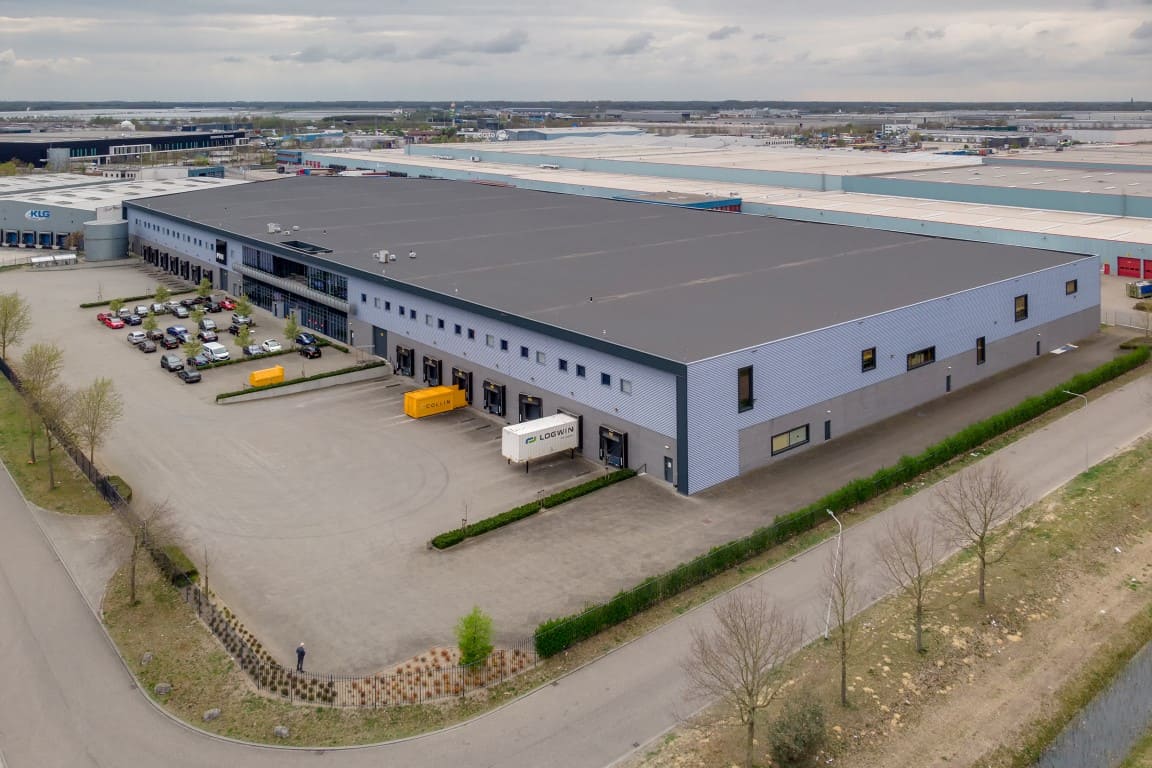
Source: europacapital.com
Navigating the logistics job market in the Netherlands can be both exciting and daunting, especially for non-EU citizens. To kickstart your career in this vibrant sector, understanding the visa requirements and eligibility criteria is crucial. This guide Artikels the essential steps and qualifications needed to work as a logistics professional in the Netherlands.
The process of securing a visa for non-EU citizens seeking logistics jobs in the Netherlands involves several key steps. Firstly, potential candidates must secure a job offer from a Dutch employer who is willing to sponsor their visa application. This employer must also be recognized by the Dutch immigration authorities. The next step is to apply for a work permit, which can vary based on the specific type of job and the applicant’s qualifications. It is important to ensure that the job offered meets the criteria set by the Immigration and Naturalisation Service (IND) in the Netherlands.
Visa Process for Non-EU Citizens
For non-EU citizens, the visa application process requires careful preparation and adherence to specific regulations. The main types of work permits available for logistics professionals include the Highly Skilled Migrant Permit, the Regular Work Permit, and the EU Blue Card.
- Highly Skilled Migrant Permit: This permit is ideal for individuals with advanced skills and qualifications. Candidates must have a job offer that meets minimum salary requirements set annually by the IND.
- Regular Work Permit (TWV): This is suitable for positions that do not fall under the highly skilled category. It requires the employer to demonstrate that no suitable candidate was available from the EU.
- EU Blue Card: Aimed at highly skilled workers, the EU Blue Card allows for employment in various EU countries, including the Netherlands. Applicants must meet specific educational and salary thresholds.
In addition to securing the appropriate work permit, non-EU citizens need to meet certain qualifications and experience criteria. Generally, candidates should possess relevant education in logistics or supply chain management, along with a minimum of two years of work experience in the field. Language proficiency in Dutch or English is often required to ensure effective communication in the workplace.
“The logistics industry in the Netherlands is thriving, and non-EU citizens have valuable opportunities if they meet the eligibility criteria.”
Overall, understanding the eligibility and visa requirements is a vital step for non-EU workers aiming to build a successful career in logistics in the Netherlands. By preparing thoroughly and knowing the necessary qualifications, candidates can enhance their chances of securing employment and integrating successfully into the Dutch workforce.
Job Search Strategies for Non-EU Applicants: Logistics Jobs Netherlands For Non Eu
Navigating the job market as a non-EU citizen looking for logistics jobs in the Netherlands can be challenging, yet incredibly rewarding. With the right strategies, one can efficiently uncover job opportunities, network effectively within the industry, and leverage available resources to secure a position. This guide provides essential strategies to enhance your job search and improve your chances of finding the right role in the dynamic logistics sector.
Effective Methods for Finding Logistics Job Openings, Logistics jobs netherlands for non eu
To effectively locate logistics job openings in the Netherlands, consider utilizing a combination of online resources, local job boards, and industry-specific websites. These platforms are invaluable in connecting candidates with potential employers. Here are some key methods to enhance your job search:
- Online Job Portals: Websites like Indeed.nl, Monster.nl, and Glassdoor.nl offer extensive listings of logistics jobs. Tailor your search with specific s related to your expertise and desired positions.
- Company Websites: Identify major logistics and supply chain companies in the Netherlands, such as DHL, Kuehne + Nagel, and DB Schenker. Regularly check their career pages for job openings.
- LinkedIn: This professional networking platform is a powerful tool for job seekers. Use it to connect with industry professionals, follow companies, and search for job openings.
- Local Job Boards: Websites like Nationale Vacaturebank and Jobbird focus specifically on the Dutch job market and often feature logistics roles that may not be posted on larger international sites.
Networking Opportunities within the Logistics Industry
Networking is crucial for job seekers in the logistics field. Building connections can lead to referrals and insider information about job openings. Here are effective networking strategies to consider:
- Industry Events: Attend logistics and supply chain conferences, trade shows, and seminars. These events offer opportunities to meet professionals, exchange ideas, and discover unadvertised job openings.
- Professional Associations: Joining organizations such as the Netherlands Logistics Association (VIL) can provide access to exclusive networking events, workshops, and forums to meet industry peers.
- Meetup Groups: Websites like Meetup.com host local groups focused on logistics and supply chain topics. Participating in these groups can help you connect with like-minded professionals.
- Informational Interviews: Reach out to professionals in your desired field for informational interviews. This approach not only expands your network but also provides insights into the industry and potential job leads.
Role of Recruitment Agencies and Online Platforms
Recruitment agencies and specialized online platforms can significantly streamline the job application process for non-EU applicants. These resources play a vital role in matching candidates with potential employers. Here’s how they contribute:
- Recruitment Agencies: Agencies such as Hays, Randstad, and Michael Page specialize in logistics and supply chain placements. They often have exclusive contracts with companies, giving you access to job openings that may not be advertised elsewhere.
- Job Application Assistance: Many recruitment agencies provide services such as CV writing support, interview preparation, and career counseling, which can give you a competitive edge in the job market.
- Online Platforms: Websites like LinkedIn Jobs and Glassdoor not only list job openings but also allow you to apply directly through the platform. They often provide company reviews and salary insights, aiding informed decision-making.
- Freelance Opportunities: Platforms like Upwork and Freelancer can offer short-term projects in logistics, which can help you gain experience and expand your professional network in the Netherlands.
Work Culture and Environment in the Dutch Logistics Sector
The logistics sector in the Netherlands is renowned for its efficiency and innovation. A unique blend of traditional work practices and modern technology shapes the workplace culture, making it an appealing destination for non-EU citizens seeking employment. Understanding this work environment is crucial for those aiming to establish a successful career in logistics.
The Dutch logistics companies often emphasize a collaborative and inclusive work environment. Teamwork is integral, as logistics operations require coordinated efforts across various departments. Employees are encouraged to share ideas and contribute to process improvements. This open communication fosters a culture of continuous learning and adaptability, which is vital in an industry that is constantly evolving due to technological advancements and changing market demands.
Importance of Language Skills
In the Dutch logistics sector, language skills significantly influence employment opportunities for non-EU applicants. While many companies operate in English, especially in larger organizations, proficiency in Dutch can enhance job prospects and facilitate smoother interactions with colleagues and clients. Employers often value candidates who can communicate effectively in both English and Dutch, as it indicates a willingness to immerse oneself in the local culture and work environment.
For non-EU workers, developing language skills can be a strategic advantage. Participating in language courses or informal language exchange programs can help bridge the gap. Many employers also support language learning initiatives, demonstrating their commitment to fostering an inclusive and communicative workforce.
Salary Expectations and Benefits
Understanding salary expectations is crucial for non-EU logistics workers in the Netherlands. The logistics sector generally offers competitive salaries, which can vary based on factors such as experience, specific roles, and the complexity of tasks involved.
Here are some key points regarding salary and benefits in the Dutch logistics sector:
- Entry-level positions typically start at around €2,200 to €2,800 per month, while experienced professionals can earn between €3,000 and €5,000 monthly, depending on their role and expertise.
- Logistics managers and specialized roles, such as supply chain analysts, can expect higher compensation, often exceeding €6,000 per month.
- In addition to salaries, many companies offer attractive benefits packages, including health insurance, retirement plans, and opportunities for professional development.
- Work-life balance is highly regarded, with many logistics companies providing flexible working hours and vacation days that exceed the statutory minimum.
The logistics sector’s commitment to employee welfare not only enhances job satisfaction but also contributes to a stable and motivated workforce. The combination of competitive salaries and comprehensive benefits makes the Dutch logistics industry a compelling choice for non-EU citizens looking to advance their careers.
FAQ Overview
Logistics jobs netherlands for non eu – What types of logistics jobs are available for non-EU citizens?
Non-EU citizens can find a variety of logistics jobs including roles in supply chain management, warehousing, transportation coordination, and inventory management.
Do I need to speak Dutch to work in logistics in the Netherlands?
While many companies operate in English, having Dutch language skills can improve job prospects and help in adapting to the workplace culture.
How can I enhance my chances of getting hired in the Dutch logistics sector?
Networking, utilizing recruitment agencies, and tailoring your application to highlight relevant skills and experiences can significantly boost your chances of being hired.
What are the salary expectations for non-EU logistics workers in the Netherlands?
Salary expectations vary widely based on the role and experience, but non-EU workers can expect competitive compensation that aligns with industry standards.
How long does the visa process take for non-EU logistics professionals?
The visa process can take several weeks to months, depending on the type of visa and individual circumstances, so it’s best to plan ahead.